
Flexible office-providers are reviving retail centres by meeting new customer needs. And there are plenty of other public spaces that would make ideal coworking hubs too
As we enter the 2020s, it may not seem that we have the same need for shopping centres that we once used to. Why brace yourself for the Christmas rush and waddle home laden with bags when you can order everything online from the comfort of your living room?
The rise of e-commerce has certainly created a challenge for retail companies with physical shops to run. At the same time, it has also paved the way for a new retail business model and forced shopping centres to find new relevance to customers. As a result, retail hubs are evolving to become more than simply places where people buy things. The fact you can visit certain malls around the world to, say, watch a Cirque du Soleil performance (launched at a Toronto mall in September) or to enjoy the views from the observation deck of Dubai’s Burj Khalifa (the world’s tallest building) proves there’s an appetite for using these lifestyle hubs for far more than just shopping.
Instead of finding more ways for customers to “buy more stuff”, forward-thinking retail companies are seeking ideas that diversify the experiences on offer to those who visit their developments. And, for the flexible workspace industry, this evolution is exciting stuff.
“Today, commercial centres are positioned as living spaces and actors in all the activities of our daily lives,” says Christophe Burckart, Managing Director for Regus in France, Monaco and North Africa, speaking during an interview for Radio Immo. “New shopping centres are evolving and renewing their experience by innovating and improving their brand. These new centres must, above all, meet the needs of customers. And the customer can have a good time in shopping centres without actually consuming anything.”

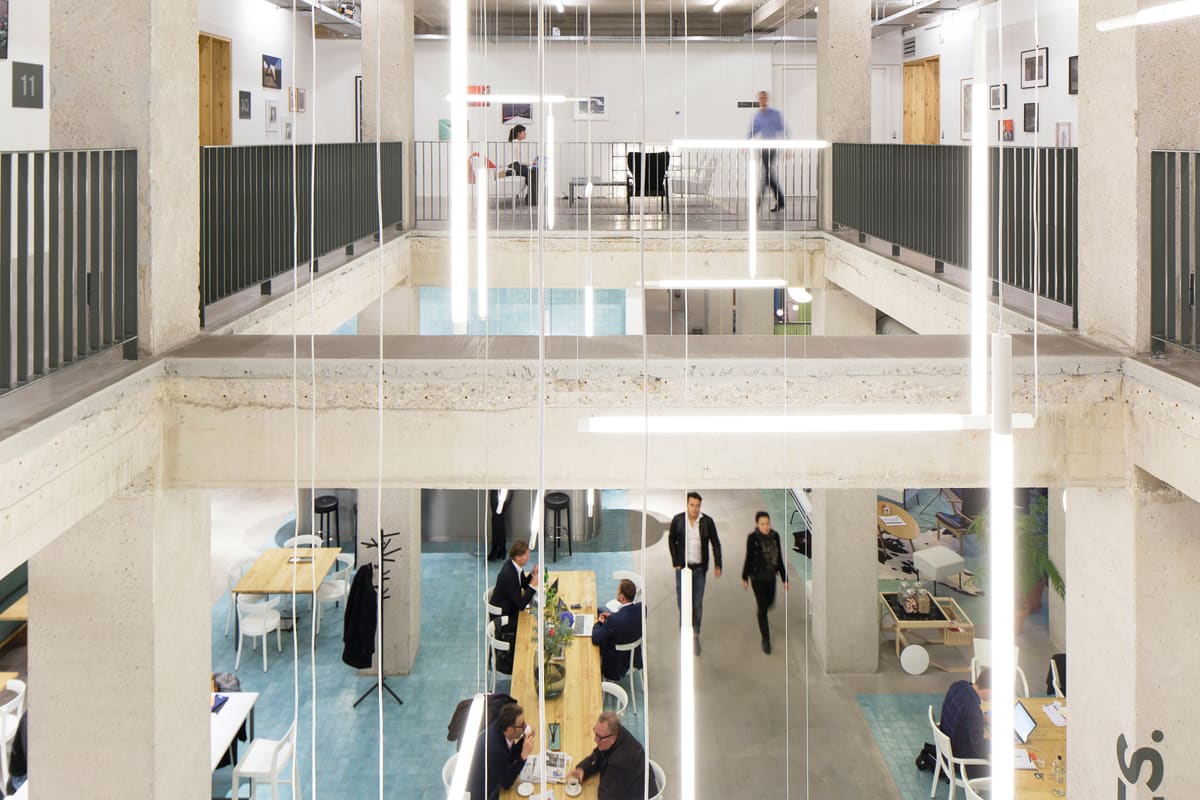
As corporate retailers are transforming their real estate from pure shopping meccas into integrated lifestyle hubs, they have a role to play in the future of work, and in helping, businesses and entrepreneurs achieve a more flexible business model. And so, the presence of high-quality flexible workspace inside shopping centres is becoming increasingly common.
There are plenty of reasons why retail centres make excellent business bases. First of all, they usually have strong transport links and ample, secure parking space. They tend to be based closer to where people actually live, helping cut down on time spent commuting. And, perhaps most importantly, workspace based within retail sites helps employees achieve a better work/life balance. Being moments away from places where employees can buy groceries and gifts, pop to the gym, or grab a bite to eat with colleagues on a lunch break boosts the wellbeing and productivity of staff – something businesses are increasingly investing in.

For corporate retailers seeking ways to diversify their offering, flexspace is an incredibly fast-growing industry. Demand continues to surge as the global workforce is opting for a more flexible way of working – and according to real-estate consultant Jones Lang LaSalle (JLL), 30% of total corporate real-estate portfolios will be coworking in 10 years’ time. IWG offers a chance for large and small business to reap the benefits of flexible workspace – shorter office-lease lengths, the agility to downsize or upscale the amount of space being used as needed – while partnering with a stable, global workspace provider, with more than 30 years of operating locations successfully.
Retailers aren’t alone in their adoption of flexspace to better serve the needs of customers. There’s plenty of potential for other public spaces to become transformed into hubs. Under its different brands, IWG is already operating flexible workspace at train stations, for example, where the easy access, restaurants, retail options and general buzzy atmosphere would certainly appeal to business-owners seeking workspace, and workers on the move who need to drop in and get things done.
As flexspace becomes more ubiquitous – launching outside of major cities in suburbs and small towns – we could see flexible offices materialise in town halls or community centres, or reviving local high streets with a new coworking hub housed in former boutiques. In a couple of years, a trip to your local supermarket could very well be tied in with spending a couple of hours at the flexible workspace integrated just to the left of the canned food aisle…
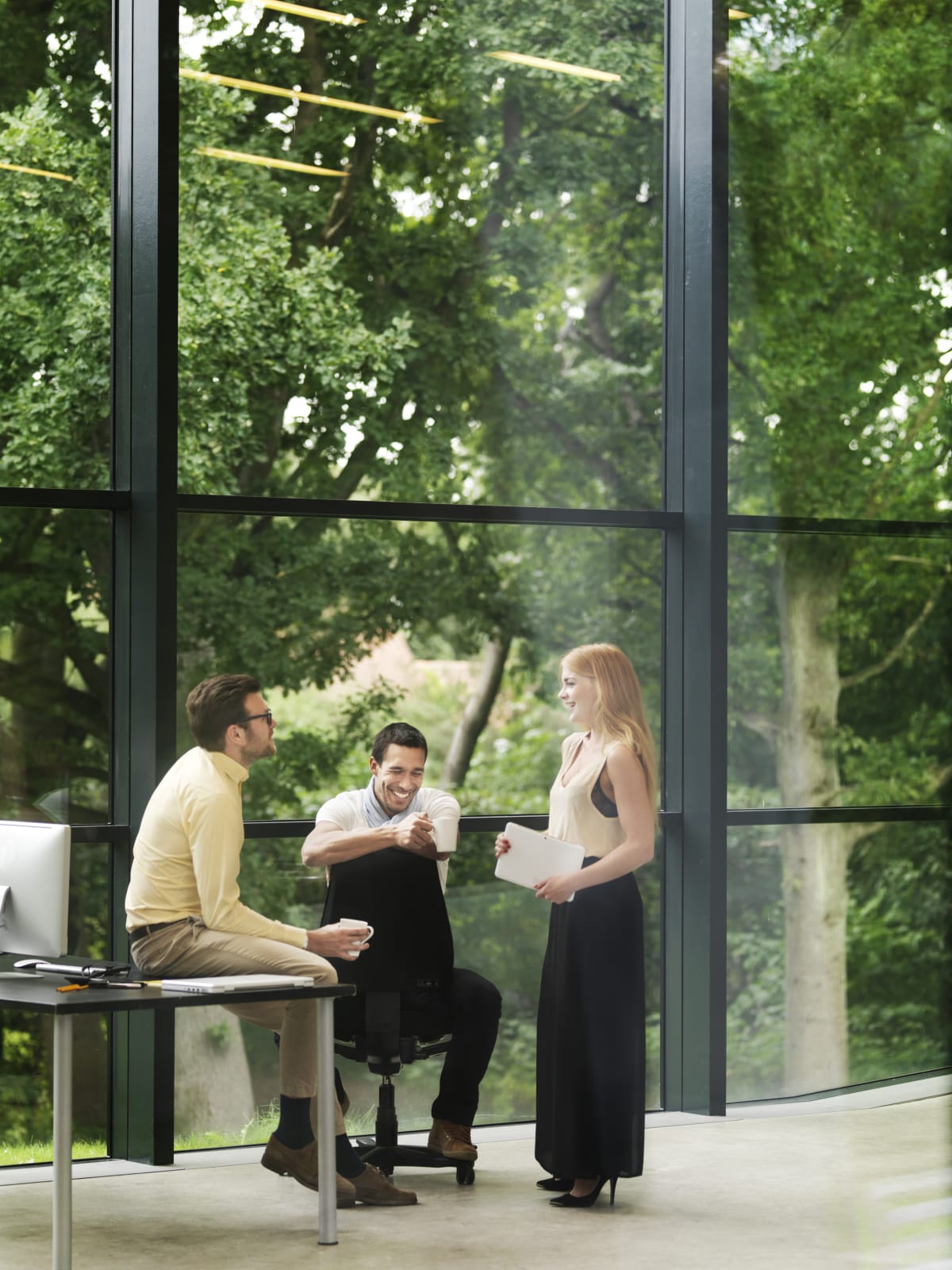
One of the best things about the model is its adaptability and its intuitive feel. Rather than having to commute to the office, it’s there where and when businesses need it, integrated into the spaces where employees live, work and play.
Find out how our businesses can help diversify your portfolio